Biomechanical Early Warning System for Obstetric Fistula Prevention
A research project that uses sensors and machine learning to detect dangerous pressure during childbirth and help prevent a serious medical condition.
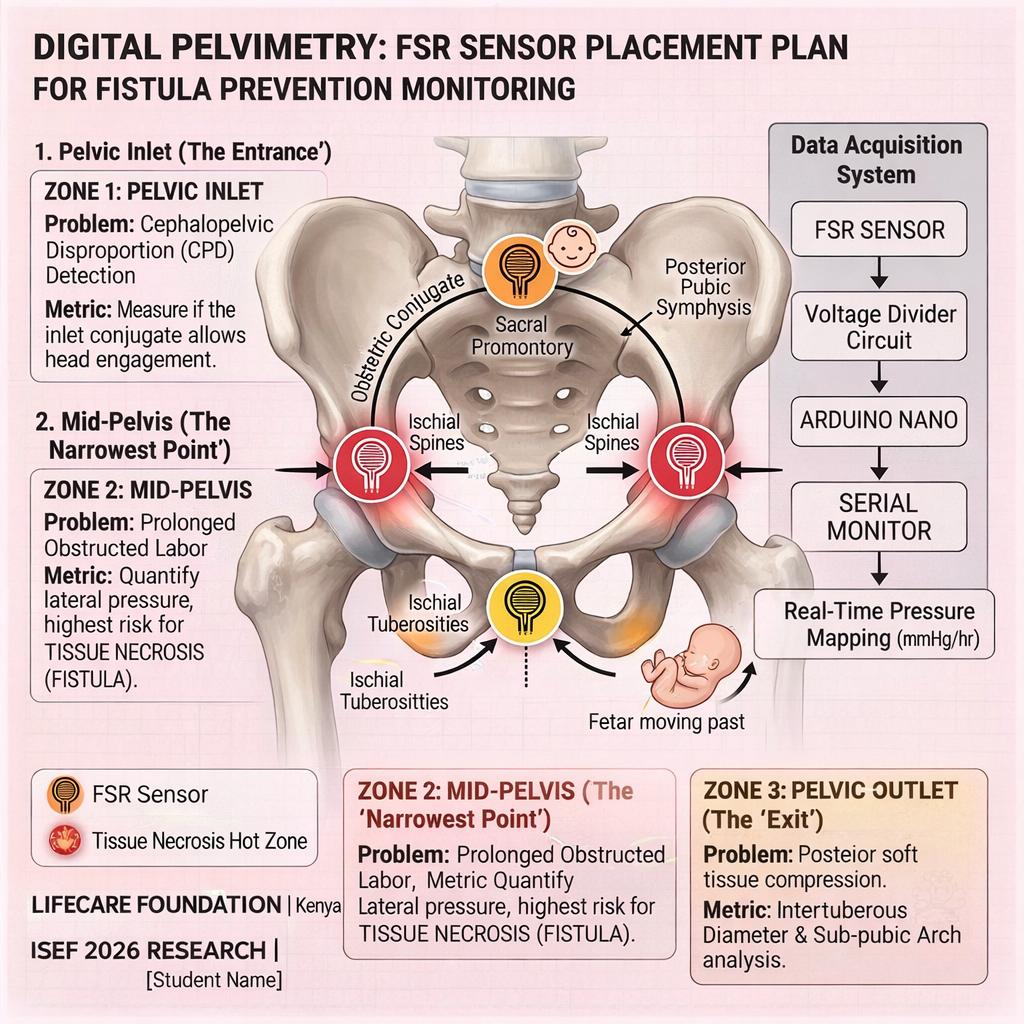
description Research Abstract
Obstetric fistula affects over two million women globally, primarily in resource-limited settings. It is a devastating childbirth injury caused by prolonged, obstructed labor where the constant pressure of the baby’s head against the maternal pelvis cuts off blood supply to tissues, leading to the formation of a hole (fistula).
FistulaGuard measures compressive force using thin-film pressure sensors integrated into a simulated labor model. By pairing real-time biomechanical data with machine learning algorithms, the system can predict the risk of tissue necrosis before permanent damage occurs, providing an essential early warning for medical intervention.
Quick Research Overview
Understanding the challenge and solution
The Problem
Lack of objective real-time data to monitor prolonged labor pressure in low-resource environments.
The Solution
An integrated sensor network and ML model that classifies pressure levels and alerts healthcare providers.
The Importance
Reallife implication & future of this project.
System Components
Four pillars of FistulaGuard technology
Simulated Model
Anatomically accurate pelvic floor simulation for testing.
Pressure Sensors
Tactile thin-film sensors detecting minute force changes.
ML Model
Interpretable threshold classifier is the primary decision layer, with Random Forest used as a comparison model.
Early Warning
Visual and audible alerts for medical intervention.
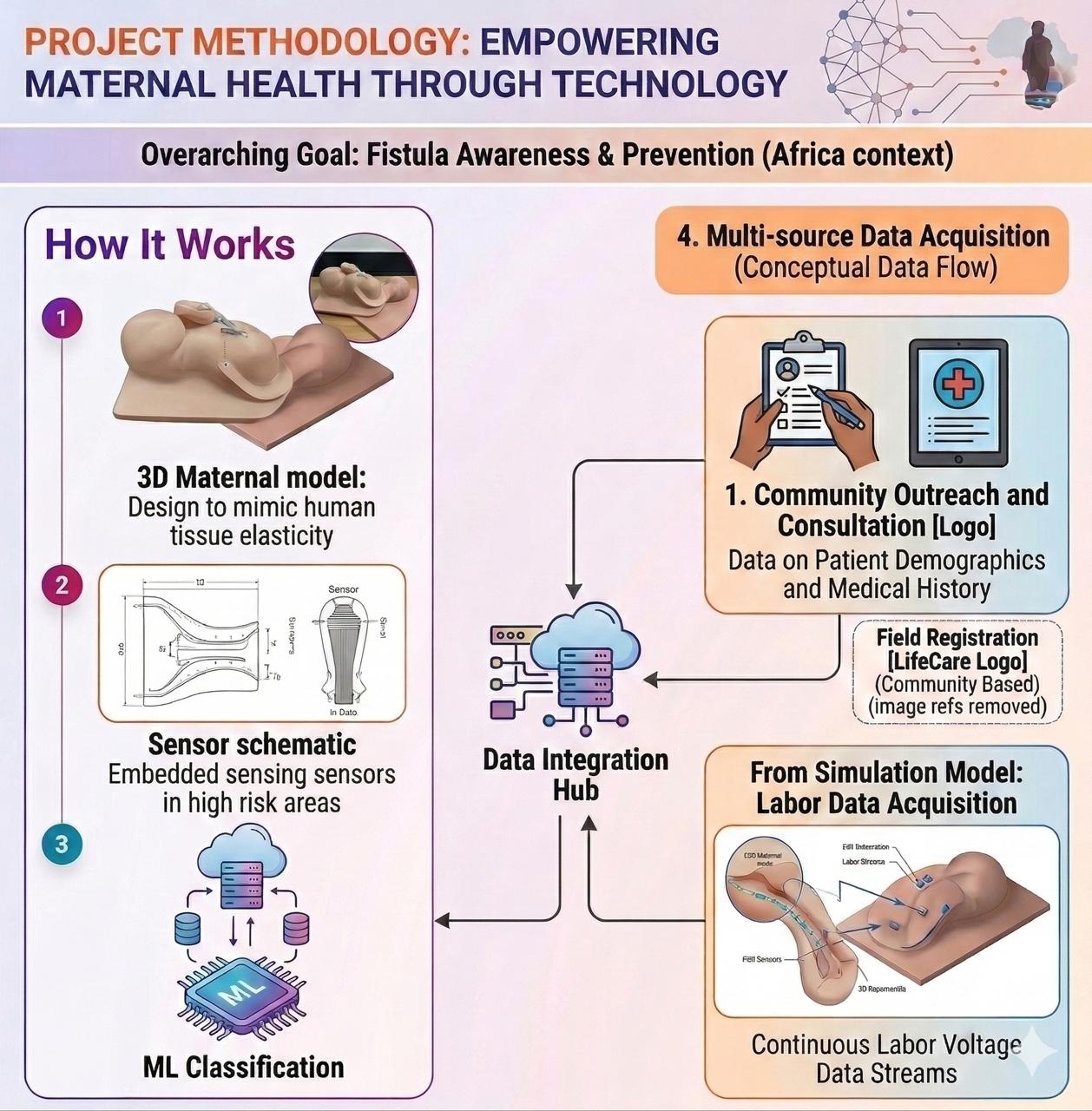
How It Works
Simulation Phase
Design and construction of a silicone-based maternal labor model mimicking human tissue elasticity.
Data Acquisition
Embedding FSR (Force Sensitive Resistor) sensors into high-risk areas of the simulated birth canal.
ML Classification
Feeding raw voltage data into a pre-trained model to classify risk levels (Normal, Warning, Critical).
Real-Time Telemetry & Accuracy Metrics
87.4%
Threshold Classifier Accuracy
420-trial confusion matrix (Table 6B/6B-II)
0.814
Prenatal CV AUC
Holdout AUC = 0.791 (Table 5B/5C)
3.2s
End-to-End Alert Latency
Total measured pipeline latency (Table 7B)
Prenatal Model Performance
Sensor Calibration Quality
Document-aligned results: threshold classifier accuracy = 87.4%, Critical to Normal errors = 0, prenatal model CV AUC = 0.814 with holdout AUC = 0.791, calibration R² range = 0.963-0.991, and full pipeline latency = 3.2 seconds.
Interdisciplinary Learning
Project Gallery
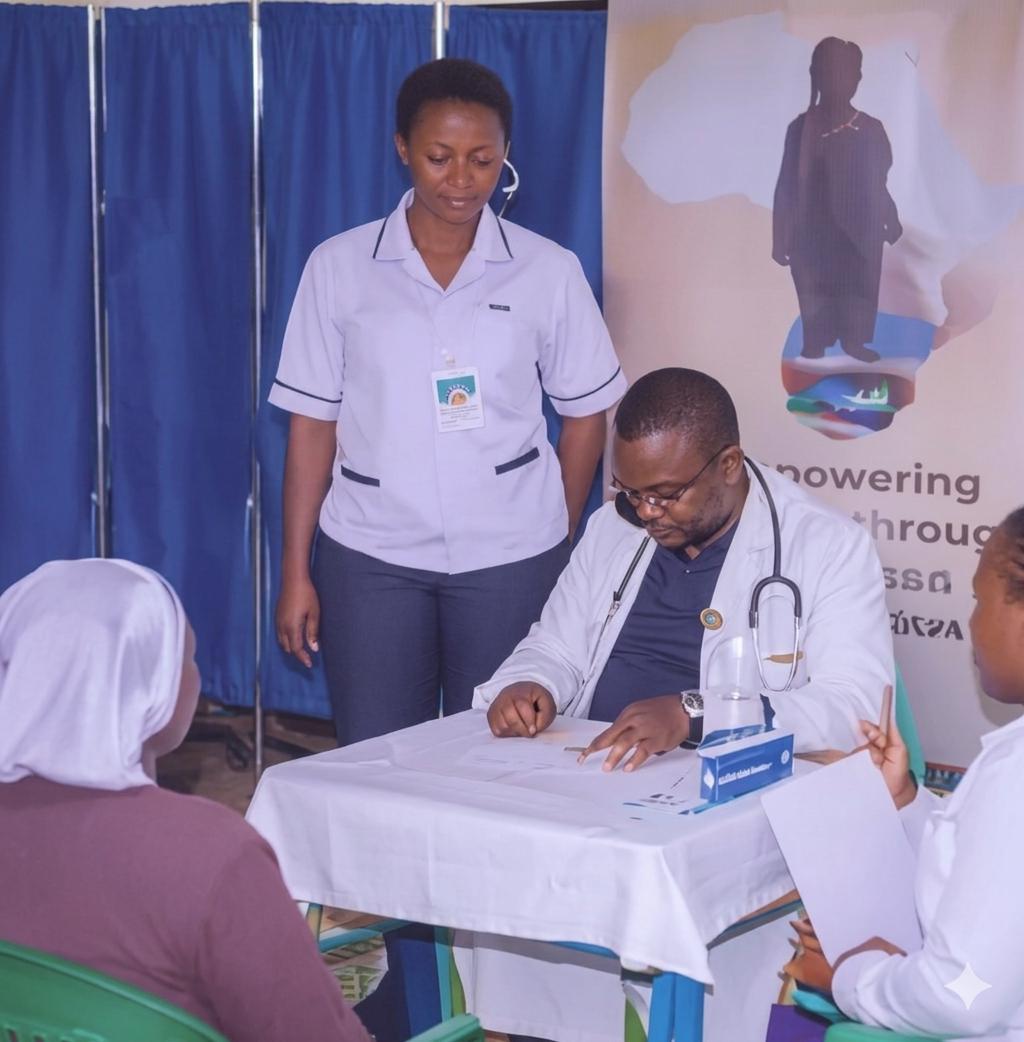
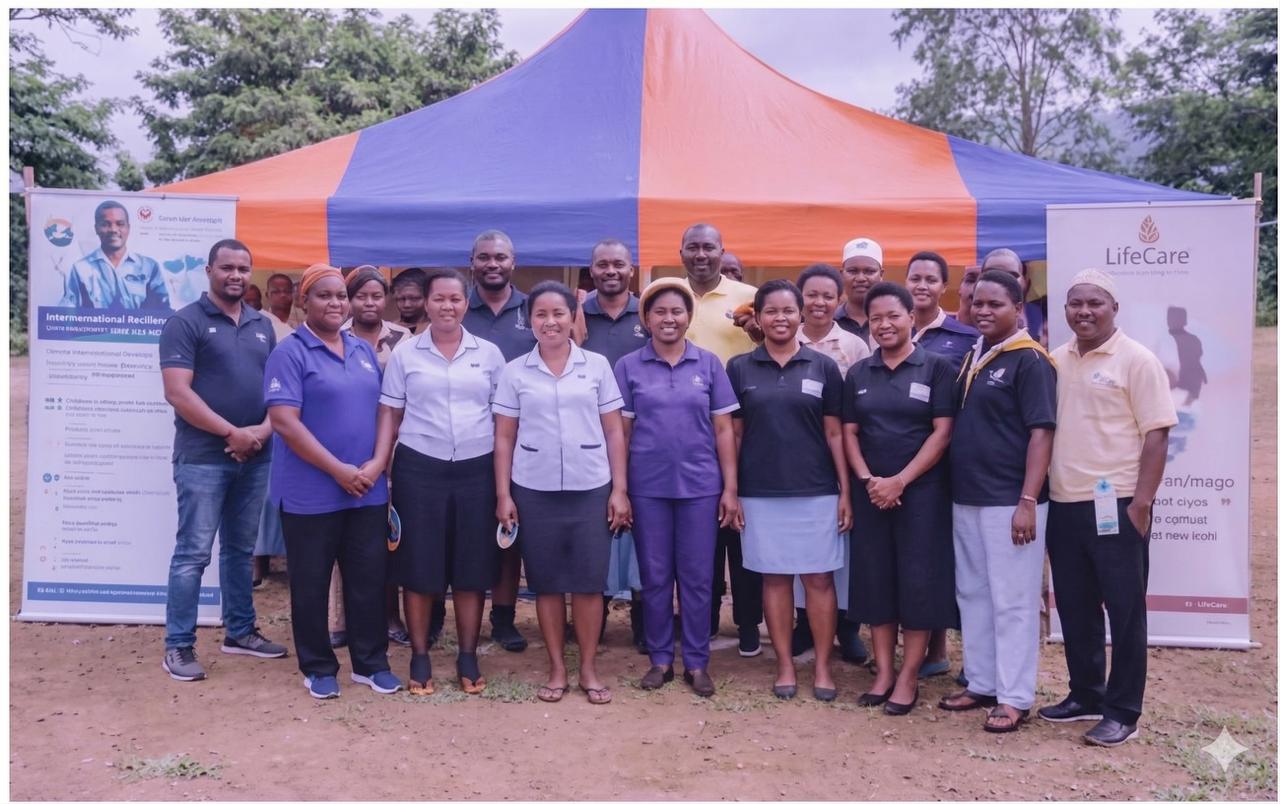
LifeCare Foundation conducted a Fistula Awareness Camp


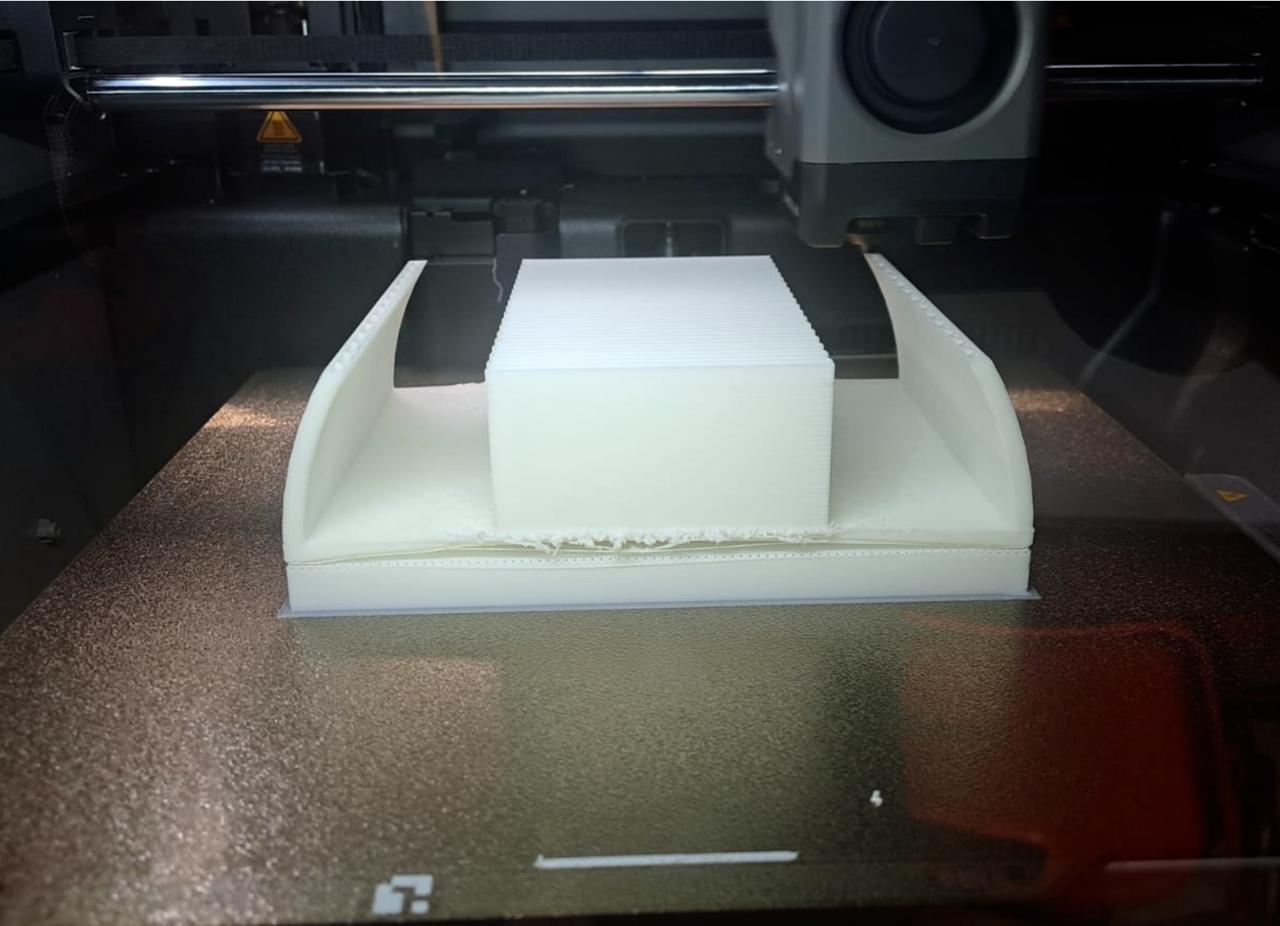
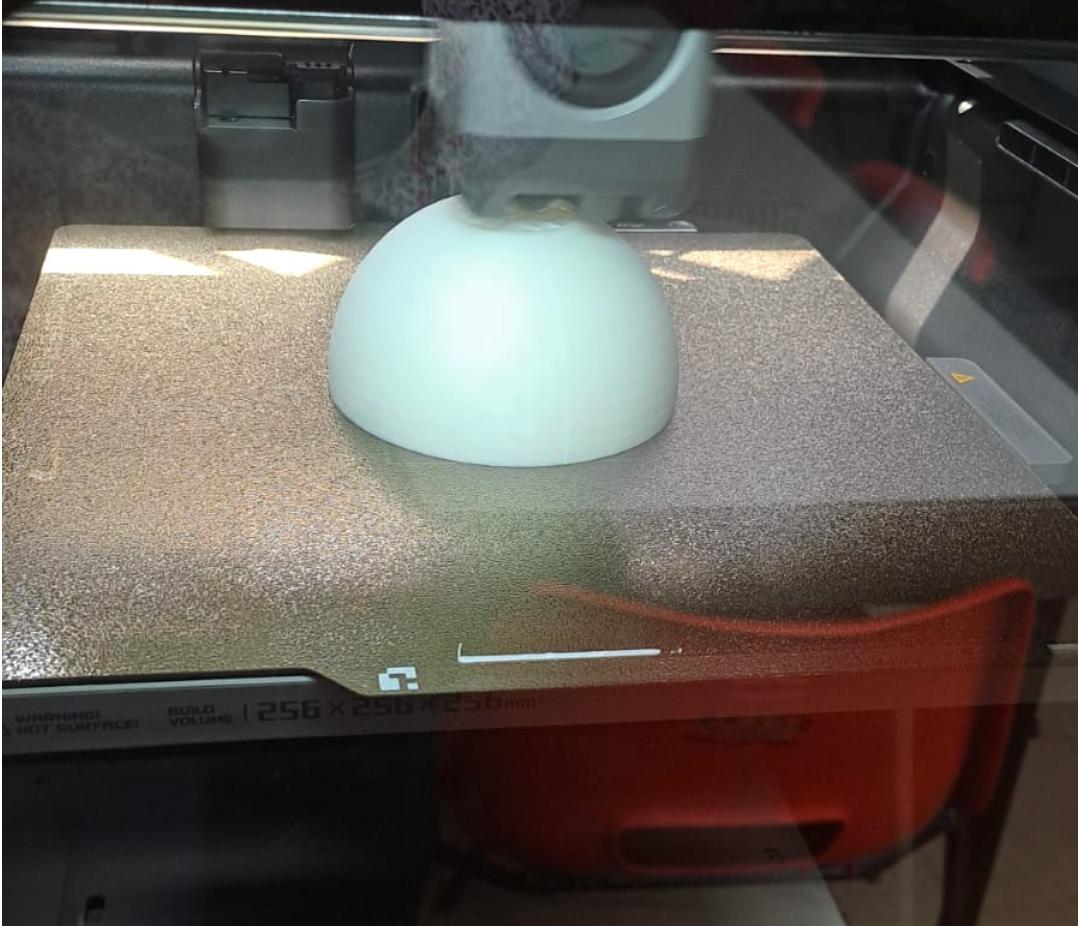
3D Phantom Mould
This is half the other half then we have to pour the silicon to make the muscles that will hold the sensors
FistulaGuard Research Paper
Updated with the latest complete results document: fabrication validation, FSR calibration, 420 pressure trials, feature extraction, prenatal risk modeling, two-layer fusion, and all statistical tests.
Study Size
420 trials, 8 result sections
Sensors
7 FSR channels calibrated (R² 0.963-0.991)
Clinical Logic
32 mmHg ischemic threshold + duration response
Stats Coverage
14 statistical tests with final verdicts
Current Limitations
Results are based on a validated silicone phantom and a prenatal model trained from curated/synthetic-compatible records. Clinical deployment still requires prospective real-patient validation before bedside use.
Document Structure
Latest Results Map (Sections 01-08)
Document Structure
Latest Results Map (Sections 01-08)
The updated research document is organized into eight sections: pelvic phantom validation, FSR calibration, pressure simulation trials, feature extraction, prenatal risk stratification, pressure pattern classification, combined two-layer system performance, and a master statistical tests summary.
| Section | Core Output | Key Evidence |
|---|---|---|
| 01 | Phantom fabrication validation | Formulation pass, Shore 16.3 ± 0.5A, geometric tolerances met |
| 02 | FSR calibration | All 7 sensors linear with R² 0.963-0.991, hysteresis profiled |
| 03 | Simulation trials | 420 total runs with QC tracking by sub-condition |
| 04 | Feature extraction | PAP, APD, SDI, PRR matrix + Random Forest importance |
| 05 | Prenatal model | Cross-validation + holdout confusion matrix + DeLong comparison |
| 06 | Pattern classifier | Threshold rules, 3x3 confusion matrix, ANOVA and d50 timing response |
| 07 | Two-layer fusion | OR logic sensitivity gains + latency + McNemar comparisons |
| 08 | Stats closure | All 14 tests and final hypothesis verdict table |
| High-Level Result | Value | Source Table |
|---|---|---|
| Phantom Shore hardness mean | 16.3 ± 0.5A | 1B |
| Sensor regression linearity range | R² 0.963 to 0.991 | 2B |
| Total pressure trials | 420 | 3A-3C |
| Prenatal CV AUC | 0.814 ± 0.063 | 5B |
| Holdout metrics | Sensitivity 83.3%, Specificity 94.4% | 5C |
| Threshold classifier accuracy | 87.4% | 6B, 6B-II |
| Combined system sensitivity | 87.3% | 7A |
| End-to-end latency | 3.2 s | 7B |
Section 01
Pelvic Phantom Fabrication & Validation
Section 01
Pelvic Phantom Fabrication & Validation
The four-part silicone blend and post-cure checks support mechanical realism and repeatability before any calibration or simulation trials.
| Validation Item | Result | Status |
|---|---|---|
| Batch mass control | Shore A: 70.0/70.1 g; Ecoflex: 30.0/29.9 g (200 g total) | ALL PASS |
| Shore hardness | 16A, 17A, 16A; mean 16.3 ± 0.5A (target 15-20A) | PASS |
| Canal dimensions | 34.8, 35.1, 34.9 mm diameter; span 0.3 mm; length 118 mm | PASS |
| Repeatability @ 200 g | 10 trials: 24.8 to 25.4 mmHg around mean | PASS |
| Cross-sensor consistency @ 200 g | A0 to A6 all within ±15% mean deviation | PASS |
Section 02
FSR Sensor Calibration and Hysteresis
Section 02
FSR Sensor Calibration and Hysteresis
Calibration used a controlled weight series and per-sensor regression equations. All seven channels surpassed the project linearity requirement.
| Sensor | R² | Max Hysteresis | Status |
|---|---|---|---|
| A0 (Anterior UVJ) | 0.991 | 4.2% | PASS |
| A1 (Anterior-left) | 0.987 | 5.1% | PASS |
| A2 (Left lateral) | 0.982 | 6.4% (max) | PASS |
| A3 (Inferior base) | 0.963 | 5.8% | PASS |
| Overall calibration span | 0.963 to 0.991 | All below 8% | PASS |
Section 03
Pressure Simulation Trials and QC
Section 03
Pressure Simulation Trials and QC
The document reports experimental design by condition/sub-condition, QC failures by subgroup, and observed mean pressure-feature outputs across the trial matrix.
| Sub-condition | Pressure / Duration | Planned | QC Failures | Final Valid |
|---|---|---|---|---|
| Control | 0-5 mmHg, 10 min | 20 | 0 | 20 |
| Normal Labor | 15-28 mmHg cycling, 30 min | 50 | 2 | 50 |
| Warning W30/W60/W90/W120 | 32-50 mmHg sustained | 200 total | 10 total | 200 |
| Critical C60+ | High pressure sustained | 150 total | Documented in QC log | 150 |
Section 04
Feature Extraction and Importance
Section 04
Feature Extraction and Importance
Feature engineering includes PAP, APD, SDI, and PRR with formula definitions, then feature ranking through Random Forest with confidence intervals.
| Feature | Control | Normal | Warning | Critical |
|---|---|---|---|---|
| PAP (mmHg) | 3.2 | 22.4 | 41.5 | 59.1 |
| APD (mmHg) | 0.3 | 4.8 | 19.3 | 29.2 |
| SDI | 0.00 | 0.00 | 0.92 | 1.00 |
| PRR | N/A | 0.74 | 0.01 | 0.00 |
| RF Rank | Feature | Gini | 95% CI |
|---|---|---|---|
| 1 | PRR | 0.38 | 0.31-0.45 |
| 2 | APD | 0.29 | 0.22-0.36 |
| 3 | PAP | 0.22 | 0.16-0.28 |
| 4 | SDI | 0.11 | 0.07-0.15 |
Section 05
Prenatal Risk Stratification Model
Section 05
Prenatal Risk Stratification Model
The prenatal model section reports dataset curation, fold-wise metrics, holdout confusion matrix, risk tiers, and a DeLong significance comparison between feature sets.
| Evaluation Stage | Key Numeric Result | Table |
|---|---|---|
| Raw to included dataset | 347 to 112 records after exclusions | 5A |
| Cross-validation mean | AUC 0.814 ± 0.063, Sens 0.78, Spec 0.82 | 5B |
| Holdout confusion matrix | TN 17, FP 0, FN 1, TP 5 | 5C |
| Holdout rates | Sensitivity 83.3%, Specificity 94.4%, Accuracy 95.7% | 5C |
| Risk tiers | Low 47.8%, Moderate 30.4%, High 21.7% | 5D |
| DeLong comparison | Delta AUC 0.037, p = 0.019 | 5E |
Section 06-07
Pressure Classifier and Two-Layer Fusion
Section 06-07
Pressure Classifier and Two-Layer Fusion
The threshold classifier (Section 06) is summarized with a full 3x3 confusion matrix, error-pattern analysis, sensitivity by duration, and ANOVA timing response. Section 07 integrates prenatal + intrapartum logic using OR fusion and tests sensitivity gains.
| Classifier Block | Main Result | Source |
|---|---|---|
| Threshold rules | Accuracy 87.4%; Critical to Normal errors = 0 | 6A-6B-II |
| Duration sensitivity | 68% (30m), 80% (60m), 88% (90m), 92% (120m) | 6C |
| ANOVA | F(3,196)=18.7, p < 0.001 | 6C |
| RF vs Threshold | 89.7% vs 87.4%; McNemar p=0.144 (not significant) | 6D |
| Combined system | Sensitivity 87.3%, specificity 86.8%, latency 3.2s | 7A-7B |
Pictorial Trend (Duration vs Warning Sensitivity)
Section 08
Master Statistical Tests Summary
Section 08
Master Statistical Tests Summary
The master summary consolidates all 14 statistical procedures and closes each research question with a final verdict based on calibration quality, classifier behavior, and fusion gains.
| Test Family | Representative Tests | Decision Role |
|---|---|---|
| Sensor quality | Linearity regressions (R²), hysteresis checks | Confirm pressure conversion validity |
| Classifier validity | Confusion matrix analysis, accuracy_score, error patterns | Quantify separation of normal/warning/critical patterns |
| Comparative modeling | DeLong ROC comparison | Test if expanded prenatal feature set improves AUC |
| Paired decision gains | McNemar tests | Assess whether two-layer system improves catches |
| Time-response behavior | ANOVA + sigmoid d50 estimation | Support duration-sensitive warning logic |
| Stat Test ID | Key Output | Verdict |
|---|---|---|
| ST1-ST4 | Repeatability CV 6.8%, R² 0.963-0.991, hysteresis max 6.4%, cross-sensor max dev 12.3% | SUPPORTED |
| ST5 | Prenatal 5-variable model AUC evidence | SUPPORTED |
| ST6 | DeLong p=0.019 for 5-variable vs 3-variable | SUPPORTED |
| ST7-ST8 | Classifier accuracy and duration ANOVA significance | SUPPORTED |
| ST9 | RF not statistically superior (p=0.144) | NOT SIGNIFICANT |
| ST13-ST14 | Combined system outperforms single layers (McNemar) | SUPPORTED |
Evidence Closure
Hypothesis Verdicts and Deployment Readiness
Evidence Closure
Hypothesis Verdicts and Deployment Readiness
The final verdict table links each question/hypothesis to a statistical outcome. Current evidence supports technical feasibility and warning-value potential, while preserving transparency around limits of phantom-based modeling and synthetic prenatal training data.
| ID | Statement | Verdict | Notes |
|---|---|---|---|
| H1 | Prenatal model AUC > 0.80 | SUPPORTED | CV AUC 0.814; holdout AUC 0.791 |
| H3 | Phantom and sensor data repeatable and calibrated | SUPPORTED | CV 6.8%; R² and hysteresis targets met |
| H5 | Classifier accuracy > 85% with safe errors | SUPPORTED | 87.4%; Critical-to-Normal = 0% |
| H6 | APD is dominant feature | PARTIAL | APD second; PRR first |
| H7 | Sensitivity rises with duration; d50 about 45 min | SUPPORTED | d50 = 42.3 min; ANOVA p < 0.001 |
| H8 | Combined system superior to either layer | SUPPORTED | p < 0.001 vs L1; p = 0.016 vs L2 |
| RQ2 | SFH + MUAC add predictive value | ANSWERED | DeLong Delta AUC 0.037; p = 0.019 |
Meet the Researchers
Passionate innovators dedicated to solving global health challenges through biomechanical engineering and technology
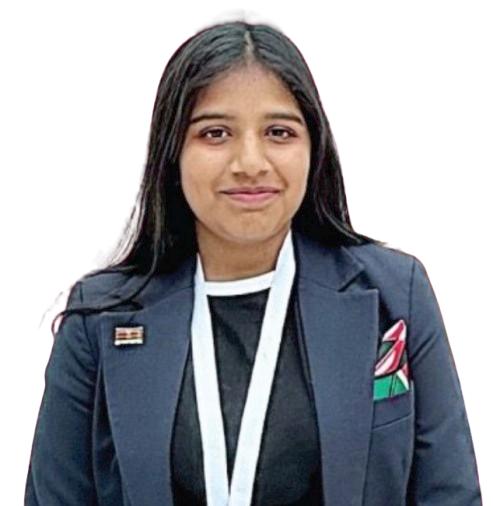
Saumya Saini
Hi, I'm Saumya! This project was born from a passion for merging medical science with technology to solve overlooked global health issues. My goal is to develop accessible, low-cost engineering solutions that empower healthcare workers and save lives in communities that need it most.

Shivya Saini
Hi, I'm Shivya! Year 9 student at Peponi School, Kenya, with a passion for merging medical science with technology. As a Regeneron ISEF 2026 qualifier and FIDE World Championship representative, Shivya is dedicated to expanding STEM access for girls and advancing healthcare equity through innovative, accessible solutions.